
🟦 Controlled Mechanical Stimulation for Skin Texture and Remodeling
What if visible skin changes begin with a signal too small to see?
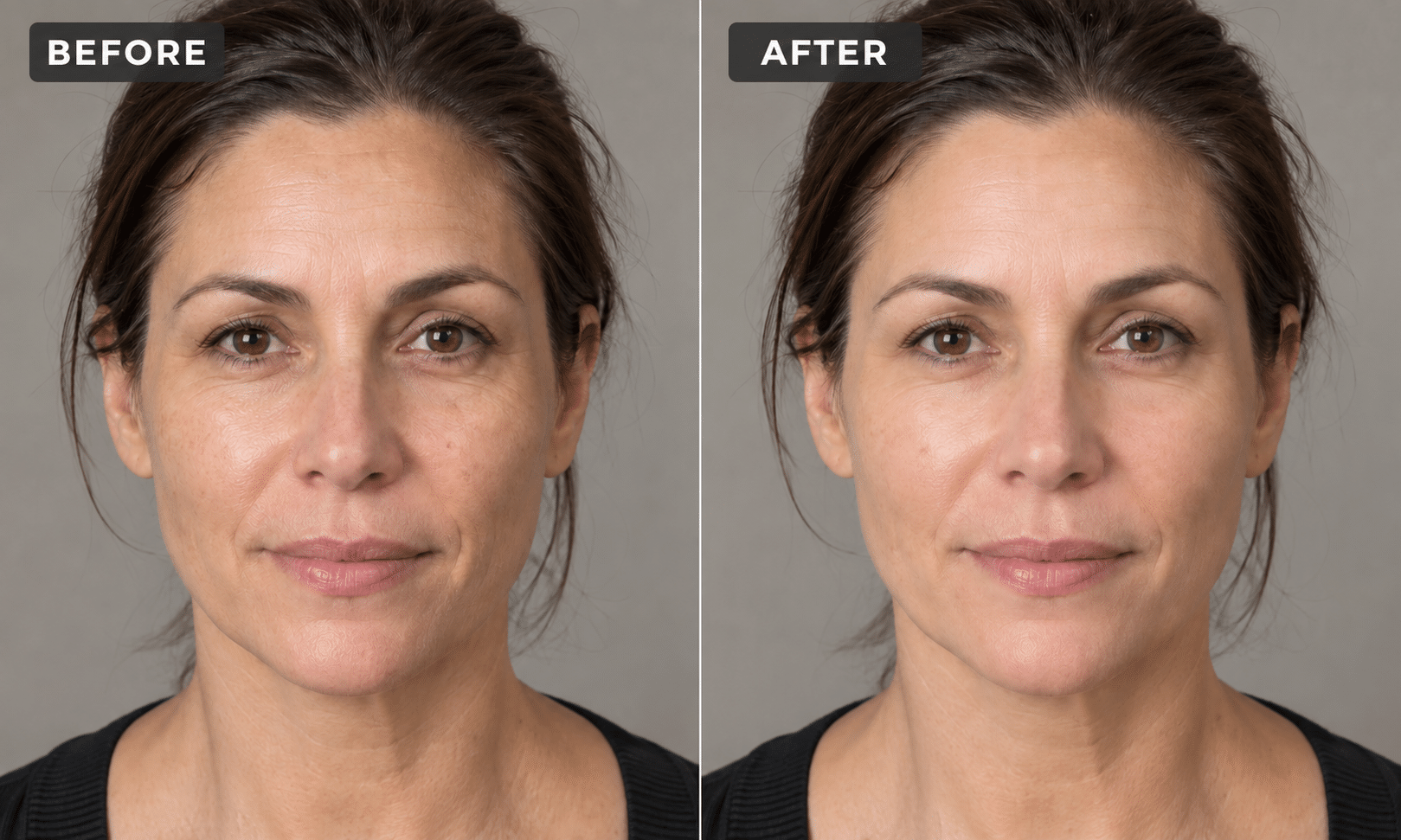
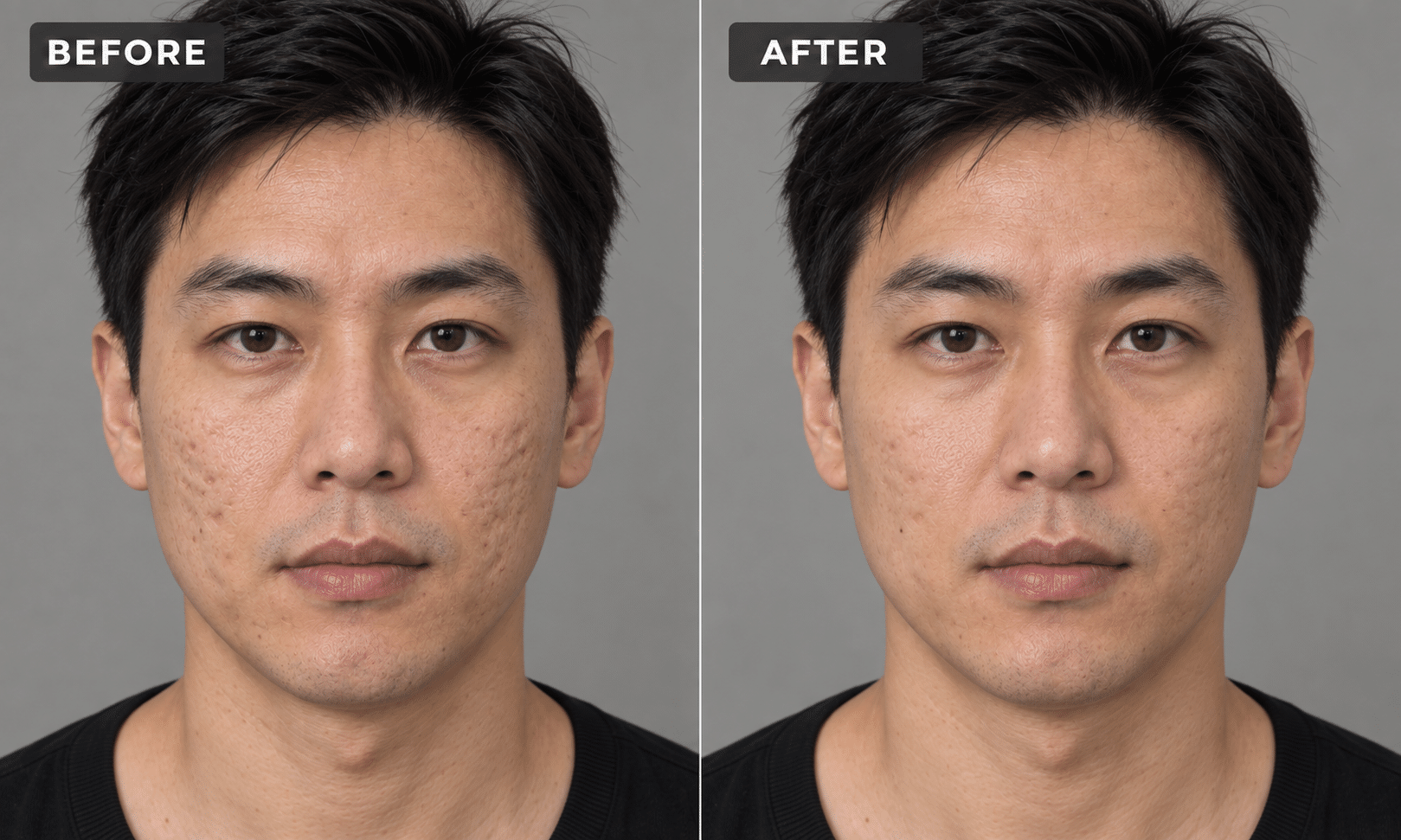
Microchanneling uses precisely controlled mechanical contact to create microscopic channels in the skin. These channels initiate a natural repair response that may support collagen organization, skin texture, and the appearance of selected scars and fine lines.
At STAR Health, microchanneling is treated as a measured biological input—not a one-size-fits-all cosmetic treatment. The goal is to create enough stimulation to activate remodeling without adding radiofrequency heat, laser energy, or aggressive ablation.
- Physician-directed evaluation
- Individualized treatment depth and dosing
- Conservative recommendations and clear aftercare
🟦 Skin Is a System—Not a Surface
Skin is often judged by what can be seen: texture, pores, lines, tone, or scarring. But appearance is the final expression of a deeper system involving cellular communication, vascular supply, immune activity, connective tissue, and mechanical stress.
Microchanneling interacts with three parts of that system:
- Structure: microscopic channels create a controlled physical change in the treatment area.
- Signaling: the skin recognizes that change and begins an organized repair response.
- Load: treatment depth, pressure, repetition, and recovery time determine how much stress the tissue must manage.
That last point matters. More stimulation is not automatically better. Tissue that is inflamed, infected, poorly vascularized, or slow to heal may respond differently from healthy tissue.
STAR Health therefore begins with the condition of the skin—not with the procedure.
🟦 What Happens Beneath the Skin During Microchanneling?
Before treatment, the skin is evaluated for barrier integrity, active inflammation, healing history, medications, prior procedures, and the specific concern being addressed.
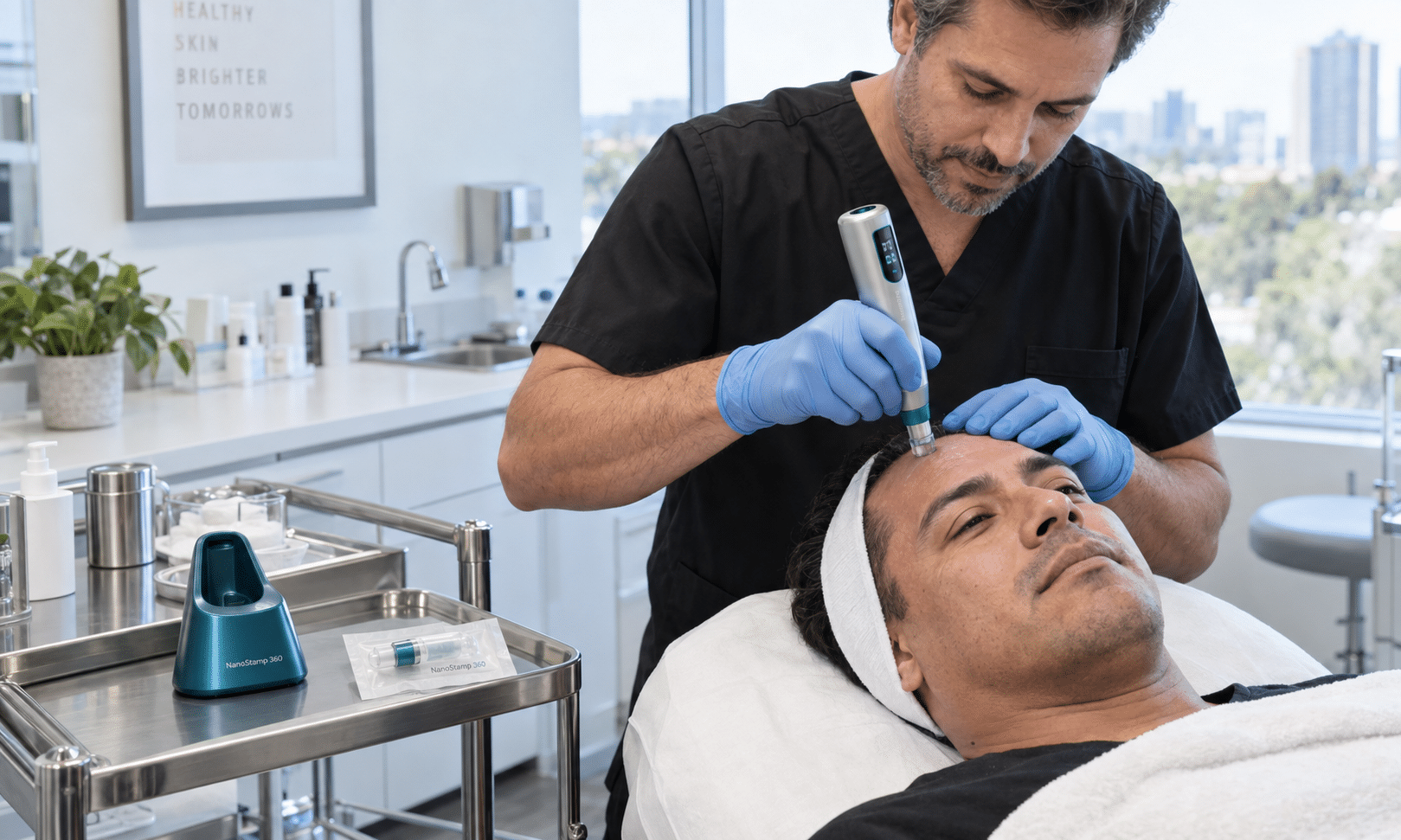
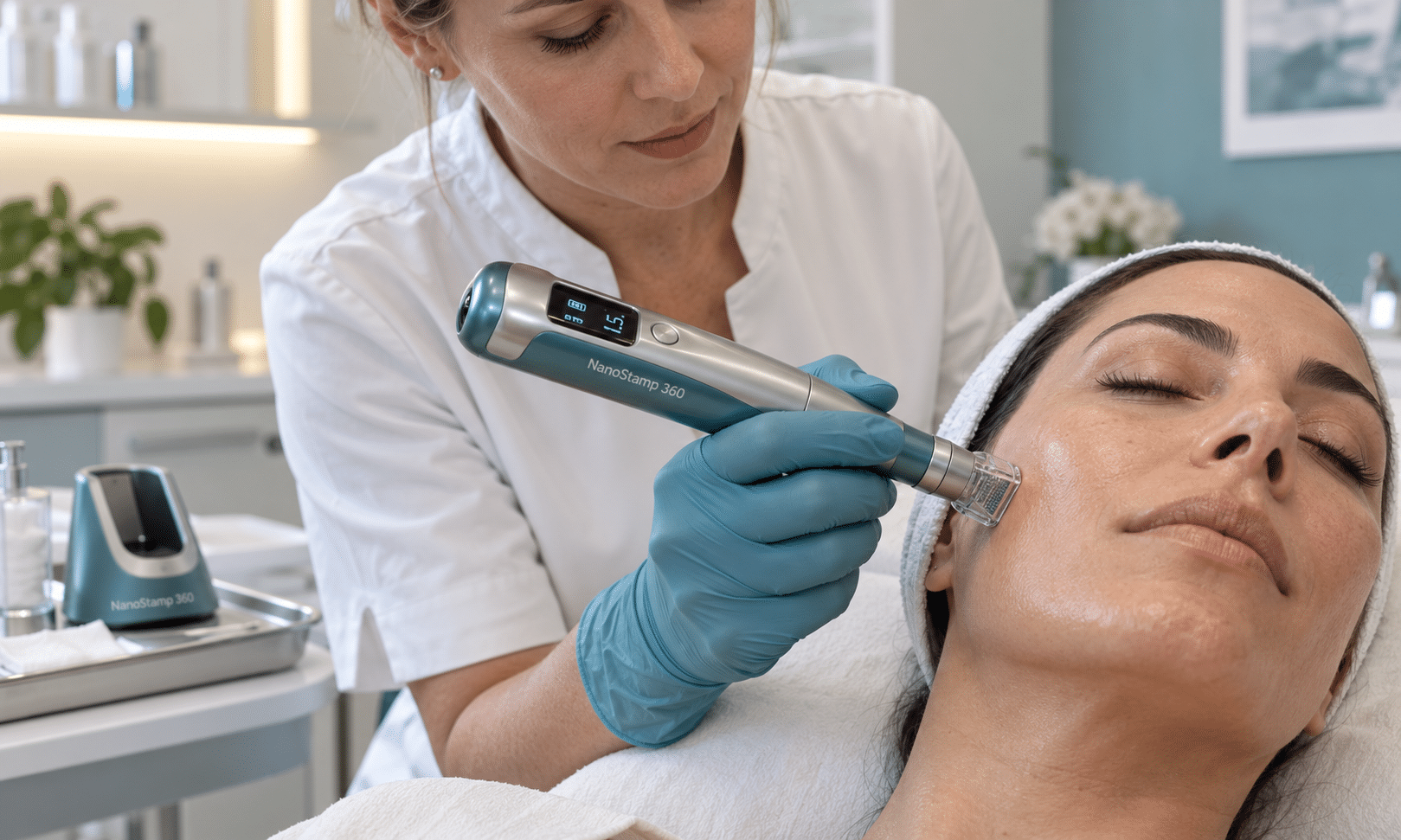
During microchanneling, a controlled array contacts the skin at a planned depth. The objective is to create uniform mechanical channels while avoiding unnecessary passes or excessive tissue stress.
After treatment, temporary redness, tightness, dryness, tenderness, or mild swelling may occur. The skin then moves through overlapping repair and remodeling phases. Visible change, when it occurs, develops gradually rather than at the moment of treatment.
🟦 Where Microchanneling May Fit
Patients may explore microchanneling for concerns such as:
- Uneven skin texture
- Fine lines and visible surface changes
- Enlarged-looking pores
- Selected facial acne scars
- Certain mature scars or areas of irregular texture
Evidence must be interpreted carefully. “Microchanneling” is often used commercially for a stamping-style technique within the broader microneedling or percutaneous collagen-induction category. Device design, needle depth, treatment area, and technique can differ substantially.
A 2024 network meta-analysis of 24 randomized studies involving 1,546 participants found evidence supporting microneedling-based approaches for acne scars, while also showing that protocols and combined treatments varied. Findings from microneedling research cannot automatically be assigned to every device or every microchanneling application.
🟦 Verification Before Intervention
Microchanneling candidacy may be affected by active infection, inflammatory skin disease, impaired healing, a history of abnormal scarring, immune suppression, bleeding risk, medication use, or recent skin procedures.
The FDA’s microneedling safety guidance also notes that device clearance is indication-specific and that potential effects include redness, bruising, peeling, pigment changes, infection, and an undesired aesthetic result. FDA clearance of one device does not establish that every microchanneling device, serum, treatment area, or combined protocol has been reviewed.
🟦 Clinical Authority and Diagnostic Integration
Dr. Joseph Fortin (DO) integrates board-certified Physical Medicine & Rehabilitation (PM&R) expertise with subspecialty certification in Interventional Pain Management, alongside recognized experience in regenerative medicine, sports medicine, and integrative medicine—supporting system-level interpretation of imaging, movement, tissue biology, and pain mechanisms to reduce misdirected care.
National and international speaker on biomechanics, human movement, MRI & CT imaging physics, interventional pain management, and regenerative medicine.
This perspective supports microchanneling decisions based on tissue behavior, healing capacity, and patient-specific risk—not appearance alone.
🟦 Did You Know?
Skin can convert mechanical force into biochemical activity. This process, called mechanotransduction, helps explain why carefully controlled physical stimulation can influence cellular behavior.
The response depends on dose and context. The same input that is manageable for healthy skin may be excessive for tissue already struggling with inflammation, infection, or impaired healing.
🟦 Frequently Asked Questions
Is microchanneling the same as microneedling?
Microchanneling is commonly used to describe a stamping-style approach within the broader microneedling family. Because terminology is not standardized, the device, depth, technique, and energy source matter more than the label.
Does microchanneling use heat or laser energy?
The mechanical microchanneling described on this page does not intentionally deliver laser or radiofrequency energy. It creates channels through controlled physical contact.
What concerns may microchanneling address?
It may be considered for uneven texture, fine lines, enlarged-looking pores, and selected scars. Suitability depends on the concern, device, treatment area, and condition of the skin.
Is there downtime after microchanneling?
Redness, tightness, tenderness, dryness, peeling, or mild swelling may occur. Duration varies with treatment intensity and individual recovery.
How many microchanneling sessions will I need?
There is no universal schedule. Some patients pursue a series of treatments, but frequency and total sessions should be based on tissue response rather than a preset package.
Is everyone a candidate?
No. Active infection, inflammatory skin conditions, abnormal scarring history, impaired healing, bleeding risk, and certain medications may affect candidacy. Clinical evaluation is required.
🟦 Begin With the Biology
If you are considering microchanneling in Fort Wayne, begin with an evaluation that looks beyond the surface.
STAR Health assesses skin integrity, healing capacity, treatment goals, and risk before recommending intervention.
📍 STAR Health — Fort Wayne, Indiana
🕒 Time-rich, physician-directed consultation
📞 Schedule your microchanneling evaluation today