
Musculoskeletal & Orthopedic Medicine at STAR Health


Non-surgical orthopedic care designed to help patients avoid unnecessary surgery.
Non-surgical orthopedic care designed to help patients avoid unnecessary surgery.
Pain is rarely the full story.
A painful shoulder may not begin in the shoulder. A degenerating knee may be responding to forces that originate elsewhere. A tendon that appears damaged on imaging may be functioning inside a system that has been overloaded for months or years before symptoms finally appeared.
At STAR Health in Fort Wayne, Indiana, musculoskeletal and orthopedic medicine begins with a different question.
Not:
“Where does it hurt?”
But rather:
“Why did the system fail?”
Our goal is not simply to identify injured tissue. Our objective is to understand how structure, movement, force, and biology interact—then build a treatment strategy around what the body is actually communicating.
Led by Dr. Joseph Fortin, board-certified Physical Medicine & Rehabilitation physician and recipient of the prestigious Rosenthal Lectureship from the American Academy of Physical Medicine & Rehabilitation, STAR Health applies advanced orthopedic diagnostics through a systems-based lens.
"We do not rush to replace parts. We restore systems."
Once Upon a Time We Wished Upon a STAR
Every healthcare organization begins with a purpose.
Ours began with a wish.
A wish to reduce suffering.
A wish to understand pain more deeply.
A wish to create a place where patients would be evaluated as whole human beings rather than collections of symptoms.
Over time, that wish became a promise.
Today, that promise guides every evaluation, every image reviewed, every diagnostic procedure, and every treatment recommendation made at STAR Health.
The mission remains simple: understand first, intervene second.
🟦What Makes Our Orthopedic Care Different
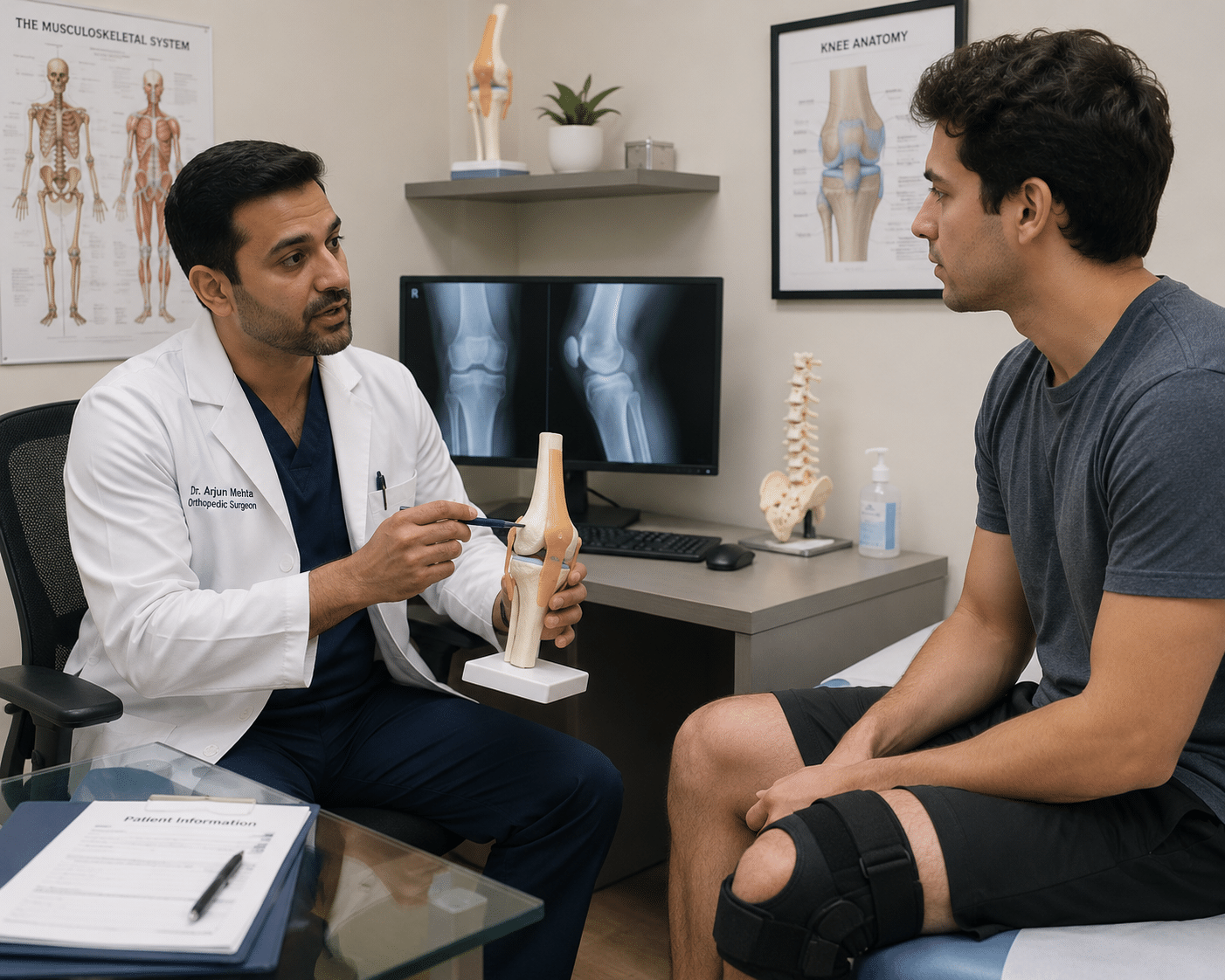
Orthopedic medicine at STAR Health combines advanced diagnostics with systems-level interpretation.
Patients may receive:
- Physician-led evaluations lasting 1–2 hours
- Comprehensive biomechanical examinations
- Detailed neurologic assessments
- Dynamic musculoskeletal ultrasound
- MRI, CT, and X-ray review
- Video gait analysis
- Navigation-guided diagnostic procedures
- Integrated rehabilitation planning
Technology is valuable only when it improves understanding.
Images, measurements, and testing are tools.
They become meaningful only when interpreted within the context of human movement.
A Logarithmic Advantage in Orthopedic Diagnosis
Dr. Joseph Fortin's clinical approach reflects decades of experience spanning multiple disciplines that traditionally operate independently.
His qualifications include:
Board Certification in Physical Medicine & Rehabilitation
Subspecialty Certification in Interventional Pain Management
Board Certification in Electrodiagnostic Medicine
Certification in Clinical Densitometry
Sports Medicine physician experience
Formal regenerative medicine training
Integrative medicine expertise
Patent holder in biomechanics-focused procedural technology
Author of peer-reviewed scientific publications
National and international lecturer on biomechanics and imaging science
Why Integration Matters
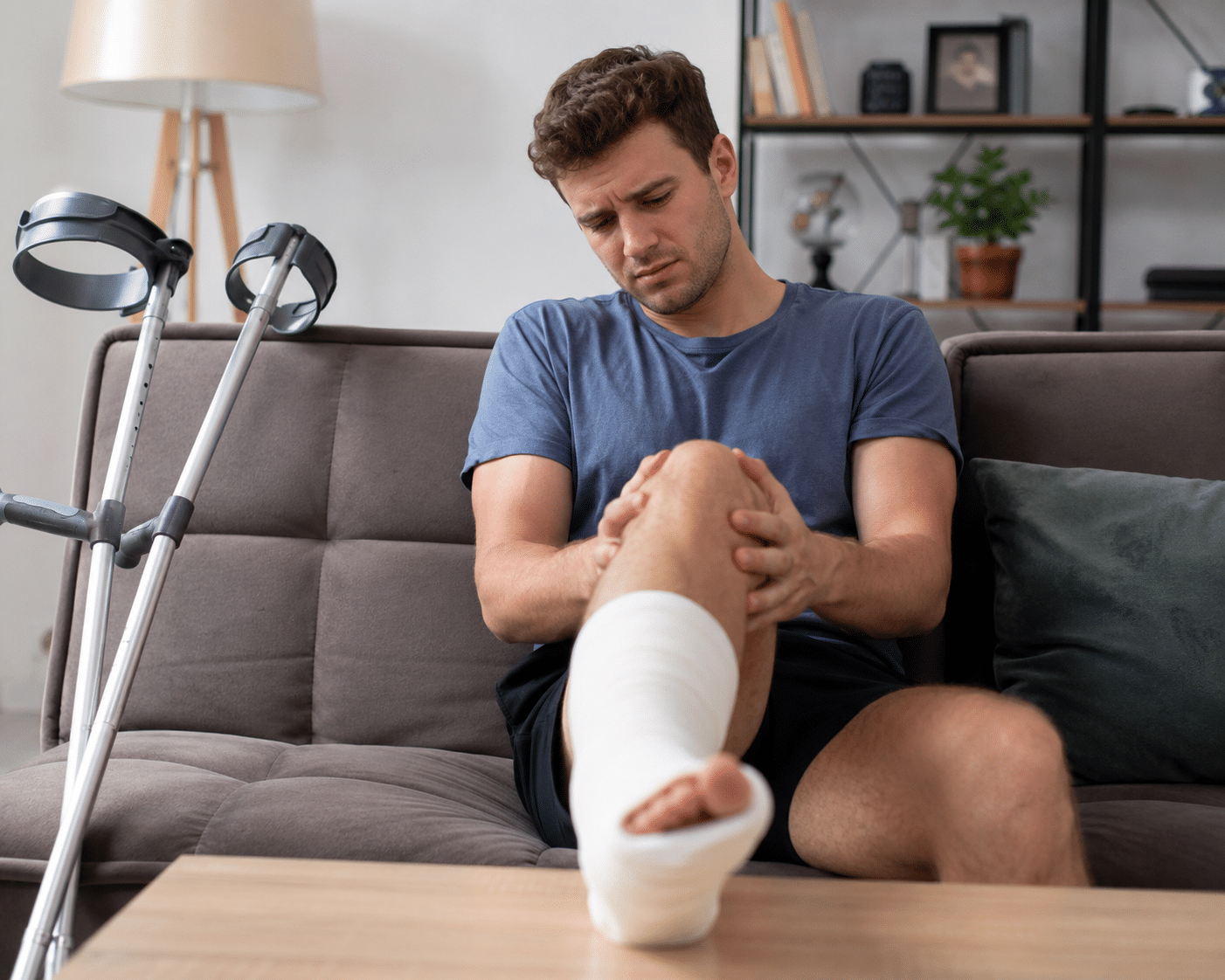
Orthopedic dysfunction rarely exists in isolation.
Pain may involve simultaneous contributions from:
Nerve signaling abnormalities
Mechanical overload
Skeletal adaptation
Tissue healing capacity
Movement compensation
Central nervous system amplification
Rather than treating these variables separately, STAR Health evaluates how they interact.
This integrated perspective helps reduce unnecessary procedures, unnecessary surgeries, and unnecessary detours.
The goal is not more treatment.
The goal is more precision.
Upper Extremity
Spine & Pelvis
Lower Extremity
If the source of pain remains unclear, that uncertainty is often the reason patients seek evaluation at STAR Health.
🟦Imaging Is Powerful—But Never Sufficient Alone
MRI and CT imaging reveal anatomy.
They do not reveal:
- Force transmission
- Movement sequencing
- Functional stability
- Neural influence
- Healing readiness
An abnormal MRI does not always explain pain.
A normal MRI does not always exclude dysfunction.
For decades, Dr. Fortin has emphasized that imaging must be interpreted alongside:
- Physical examination
- Diagnostic procedures
- Movement analysis
- Clinical history
- Systems-level reasoning
Images inform decisions. They do not make decisions.
Clinical Insight
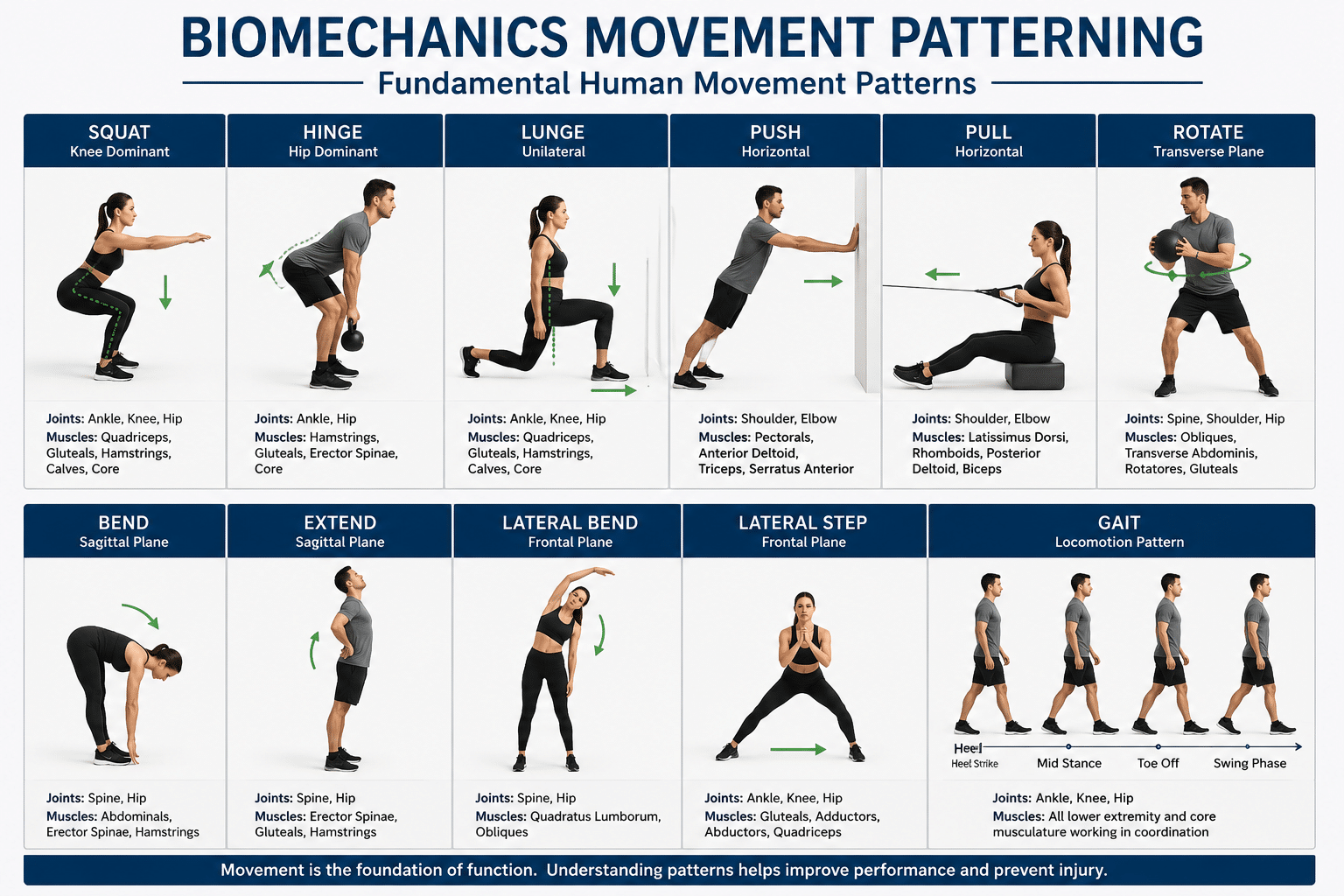
Many musculoskeletal disorders persist because treatment focuses exclusively on injured structures while ignoring the pathways through which force enters and travels throughout the body.
When force remains misdirected, tissues often continue receiving stress they cannot tolerate.
The result can be recurring symptoms, compensatory injuries, and frustration.
Systems-based orthopedic medicine attempts to identify these hidden contributors before they create additional problems.
🟦Conditions Commonly Evaluated
Common concerns include:
- Cervicogenic headaches
- Postural strain disorders
- Rotator cuff pathology
- Sports injuries
- Degenerative disc disease
- Spinal stenosis
- Hip dysfunction
- Bursitis
- Knee degeneration
- Alignment disorders
- Tendon overload syndromes
- Plantar fascia pain
Rather than evaluating symptoms in isolation, STAR Health examines upstream and downstream contributors that may be influencing tissue stress.
🟦Tendinopathy, Tears & Muscle Injury
When connective tissue becomes damaged, surgery is not always the first—or only—option.
Patients commonly seek evaluation for:
- Rotator cuff tears
- Achilles tendon injuries
- Gluteal tendon pathology
- Chronic tendinopathy
- Persistent muscle injuries
Depending on diagnosis, care may incorporate:
- Image-guided procedures
- Orthobiologic therapies
- Bioscaffolding technologies
- Focused shockwave therapy
- Photobiomodulation
- Physical rehabilitation
No intervention exists in a vacuum.
Every recommendation is evaluated within the broader context of biomechanics, tissue behavior, healing capacity, and functional goals.
🟦Osteology & Bone Health in Orthopedic Medicine
Bone quality affects more than fracture risk.
It influences:
- Tendon attachment integrity
- Ligament resilience
- Load tolerance
- Recovery capacity
- Long-term joint performance
Dr. Fortin's certification in Clinical Densitometry reflects advanced understanding of skeletal metabolism and adaptation.
At STAR Health, bone health considerations may become important in:
- Orthopedic medicine
- Sports medicine
- Pain management
- Integrative medicine
Particularly when recurrent injury patterns or delayed recovery are present.
Experience, Expertise, Authority & Trust
STAR Health combines advanced orthopedic diagnostics, rehabilitation science, movement analysis, imaging interpretation, and interventional expertise under physician leadership.
Every recommendation begins with diagnosis.
Every diagnosis begins with investigation.
This philosophy reflects decades of clinical experience, peer-reviewed scholarship, national education leadership, and a commitment to evidence-informed care.
Did You Know?
Many chronic musculoskeletal conditions persist not because tissue failed to heal, but because force
continues traveling through inefficient movement patterns.
Modern biomechanics supports principles that athletic trainers in ancient Greece recognized more than two
thousand years ago: movement quality influences injury risk.
Historical Perspective — Movement as Medicine

"Long before advanced imaging existed, Hippocrates emphasized observation. Posture mattered. Gait mattered. Movement mattered. 9 Athletes training in ancient Olympia were assessed for balance, symmetry, and efficiency because coaches understood that mechanical dysfunction often precedes injury. Modern orthopedic medicine now evaluates these same principles using motion analysis, imaging technology, and biomechanical science."
Local Care, Global Science
Frequently Asked Questions
No. STAR Health focuses primarily on non-surgical orthopedic evaluation and treatment options whenever
appropriate.
In some cases, yes. Certain tendon, joint, and overuse conditions may have non-surgical options worth
evaluating before operative intervention is considered.
No. Pain can also reflect movement dysfunction, altered force transfer, neuromuscular timing issues, or
biological factors influencing recovery.
Complex orthopedic problems often require detailed review of history, imaging, movement behavior, and
biomechanical factors before meaningful conclusions can be reached.
Not necessarily. Imaging findings must be interpreted alongside physical examination and clinical context.
Individuals experiencing persistent joint pain, tendon disorders, movement limitations, recurring injuries,
or unexplained orthopedic symptoms may benefit from comprehensive evaluation.
Schedule Your Orthopedic Evaluation
You deserve more than a referral.
You deserve answers.
Discover a more complete approach to musculoskeletal and orthopedic medicine—one built around understanding systems, not simply managing symptoms.