
Pain Management in Fort Wayne Pain changes more than comfort. It changes behavior.
People stop twisting, lifting, sleeping deeply, walking confidently, traveling comfortably, and trusting their own bodies long before they start calling it “pain.” Over time, the nervous system adapts to protection mode. Muscles tighten. Movement changes. Load shifts. Even normal daily activity can begin reinforcing the problem.
At STAR Health, pain management begins with a different assumption:
Pain is not the diagnosis.
It is evidence that one or more systems may no longer be functioning in harmony.
Our approach focuses on identifying the true pain generator through a systems-based evaluation that integrates biomechanics, imaging, neurological signaling, tissue health, inflammatory load, and movement behavior.
Care is led by Dr. Joseph Fortin (DO), Medical Director — board-certified in Physical Medicine & Rehabilitation (PM&R) with subspecialty certification in Interventional Pain Management.
Patients come to STAR Health from across Fort Wayne and Northeast Indiana seeking answers for:
• persistent neck or back pain • pain that returns after therapy or injections • nerve symptoms without clear MRI findings • unresolved post-surgical pain • chronic joint or movement-related pain • headaches linked to posture or spinal dysfunction • pain that worsens despite rest
Our mission guides every patient interaction:
“To end pain and human suffering through compassionate, research-driven, innovative care.”
🟦 WHY STAR HEALTH APPROACHES PAIN DIFFERENTLY
Most pain programs are organized around symptom suppression.
At STAR Health, the focus is diagnostic clarity.
That distinction matters because pain rarely originates from a single isolated structure. A painful shoulder may actually reflect cervical nerve irritation. Chronic low back pain may be driven by sacroiliac instability, altered gait mechanics, inflammatory overload, or compensatory movement patterns that developed years earlier.
When the wrong structure is treated, the body adapts — but rarely heals fully.
That is why pain management evaluations at STAR Health are intentionally comprehensive.
Every consultation is designed to understand:
• what tissue is irritated
• why it remains irritated
• what movement or load pattern perpetuates it
• how the nervous system is responding
• whether inflammation or degeneration are contributing factors
• how multiple systems may be interacting simultaneously
Each pain management evaluation may include:
• Extended physician consultation time
• Comprehensive neurological and musculoskeletal examination
• Dynamic diagnostic ultrasound
• Functional movement assessment
• Review of MRI, CT, and X-ray imaging
• Load and positional testing
• Navigation-guided diagnostic procedures when necessary
Pain does not exist in isolation.
Neither should its evaluation.
🟦 IMAGING IS IMPORTANT — BUT NEVER THE ENTIRE STORY
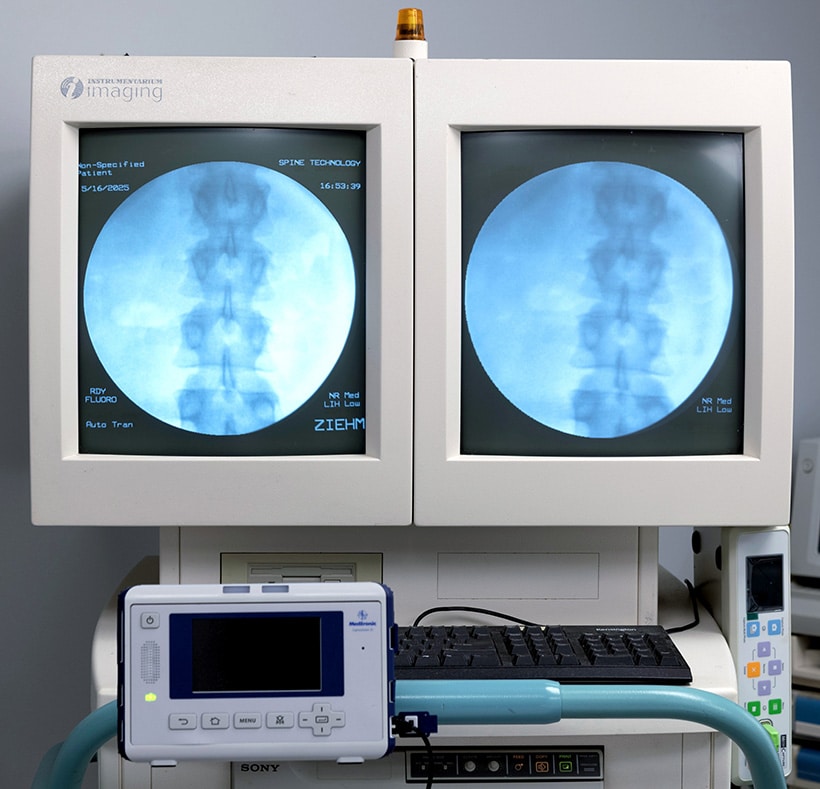
Modern imaging technology provides extraordinary structural detail.
MRI, CT, ultrasound, fluoroscopy, and digital radiography help physicians identify degeneration, inflammation, instability, tissue injury, and biomechanical abnormalities.
But imaging alone has limitations.
Many patients with severe pain show relatively “normal” scans.
Others have extensive MRI findings despite having minimal symptoms.
This is why imaging must always be interpreted within clinical context.
At STAR Health, imaging findings are integrated with:
• physical examination findings
• movement response patterns
• neurological testing
• tissue loading behavior
• symptom reproduction testing
• diagnostic injections when appropriate
Static imaging captures anatomy.
Functional evaluation explains behavior.
When those two perspectives are integrated together, previously confusing pain patterns often become far more understandable.
That clarity helps reduce unnecessary procedures, repeated failed treatments, and delayed recovery.
🟦 THE PAIN DETECTIVE MODEL
Pain often behaves like a mystery with misleading clues.
The area that hurts is not always the area responsible.
A patient may experience burning pain in the leg while the primary dysfunction originates in the spine, pelvis, or peripheral nerve system. Others may develop headaches caused by upper cervical instability, jaw dysfunction, or muscular overload patterns that never appear clearly on imaging.
At STAR Health, patients are evaluated through what many describe as a “pain detective” process.
The objective is not merely to label symptoms.
The objective is to identify the primary pain generator and the systems amplifying it.
Potential contributors may include:
• Facet joint irritation
• Discogenic spinal pain
• Sacroiliac dysfunction
• Peripheral nerve entrapment
• Postural imbalance
• Altered movement sequencing
• Myofascial restriction
• TMJ dysfunction
• Inflammatory overload
• Biomechanical compensation patterns
• Central sensitization
• Residual post-surgical dysfunction
Pain becomes far more treatable when the correct source is identified early.
That principle shapes every phase of care.
🟦 CONDITIONS COMMONLY EVALUATED
Pain management at STAR Health addresses conditions involving the spine, joints, muscles, nerves, and movement systems.
Evaluations are individualized because pain patterns often overlap across multiple regions.
Head & Facial Pain
• Cervicogenic headaches • Occipital neuralgia • TMJ-associated pain • Post-traumatic headache syndromes • Facial nerve irritation
Neck & Spine Conditions
• Discogenic neck pain • Lumbar and cervical radiculopathy • Facet-mediated pain • Degenerative spinal conditions • Mechanical instability • Pinched nerve syndromes
Upper Extremity Conditions
• Shoulder pain • Rotator cuff dysfunction • Peripheral nerve entrapment • Post-surgical upper extremity pain • Repetitive strain injuries
Back & Pelvic Pain
• Sacroiliac joint dysfunction • Coccyx pain • Chronic low back pain • Postural overload syndromes • Complex regional pain syndromes
Lower Extremity Conditions
• Hip and knee pain • Neuropathic pain • Tendon injuries • Persistent pain after joint replacement • Movement-related leg pain
Pain is evaluated within the broader context of movement efficiency, tissue healing capacity, inflammation, and nervous system behavior. This leads to a better, all-encompassing plan for pain management.
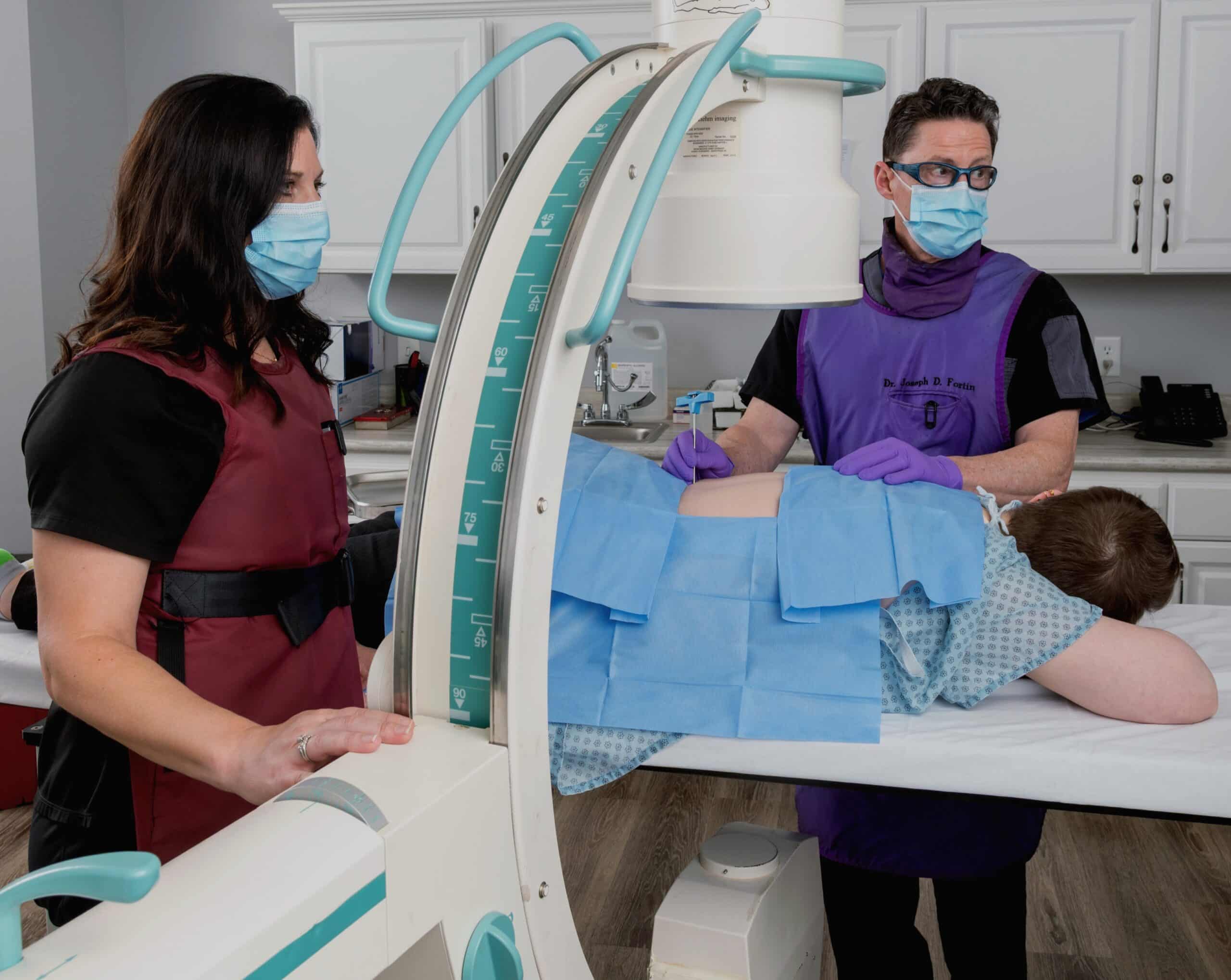
🟦 ADVANCED IMAGE-GUIDED INTERVENTIONS
Interventional pain managment procedures are most effective when they are both precise and diagnostic.
At STAR Health, procedures are performed using navigation-guided imaging technology to improve anatomical accuracy and reduce unnecessary tissue irritation.
Precision matters because small anatomical differences can dramatically influence outcomes.
Available approaches may include:
• Ultrasound-guided injections
• Fluoroscopic-guided spinal procedures
• Diagnostic nerve blocks
• Joint injections
• Soft tissue and tendon interventions
• Regenerative injection support procedures
Diagnostic blocks are particularly important for pain management because they help confirm whether a suspected structure is truly generating pain.
This helps avoid treatment based purely on assumptions or imaging abnormalities.
The goal is not simply to “inject pain away.”
The goal is to create diagnostic clarity while reducing irritation, restoring movement, and improving functional recovery.
🟦 INTEGRATED HEALING STRATEGIES
Pain rarely resolves through a single modality.
Successful recovery often requires coordinated support across multiple systems.
At STAR Health, pain management care plans may integrate several complementary approaches depending on the patient’s presentation.
Physical Rehabilitation
Movement rehabilitation helps restore efficient load-sharing, improve joint mechanics, reduce compensation patterns, and rebuild tolerance to activity.
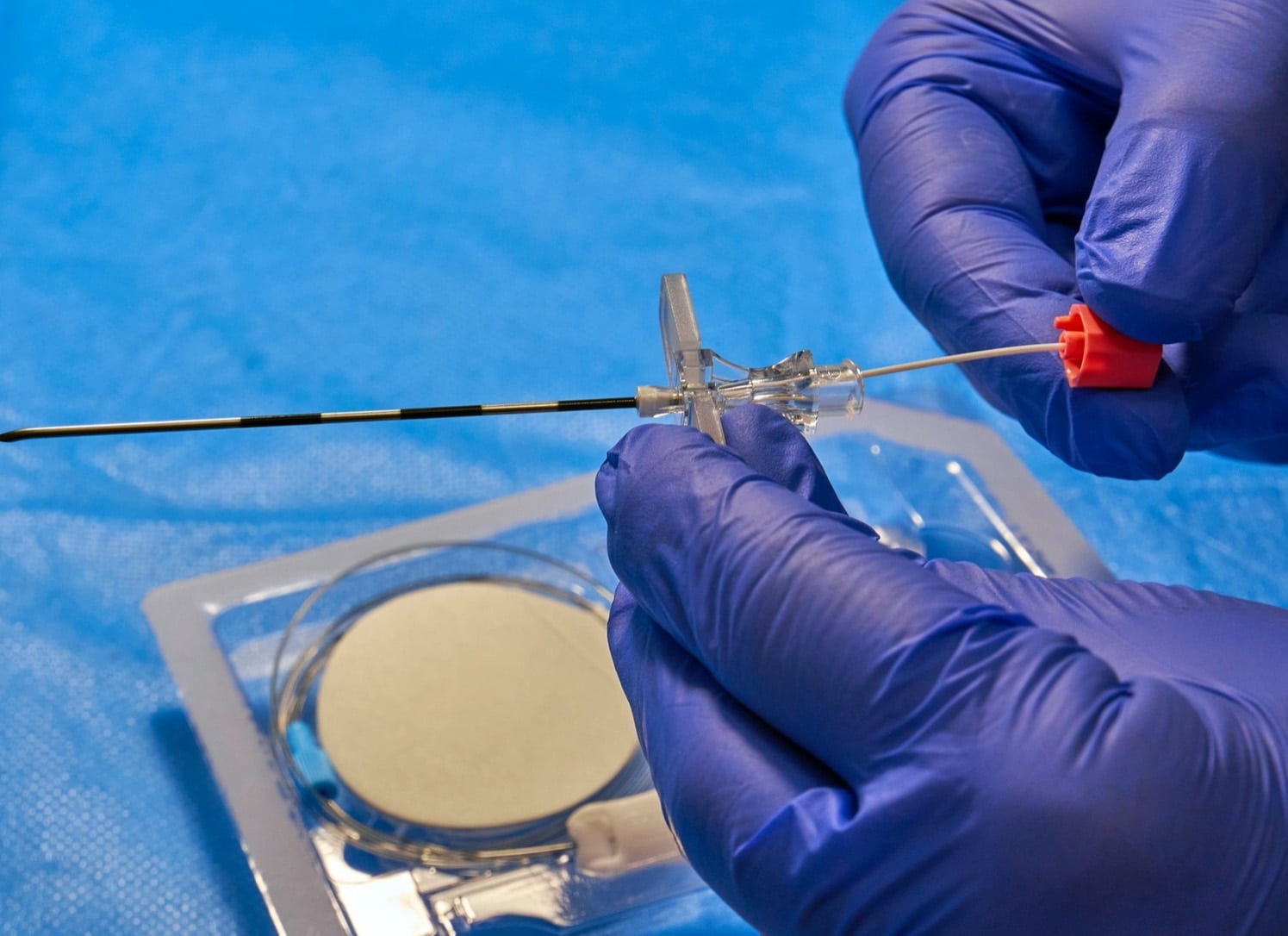
Interventional Pain Procedures
Targeted procedures may help calm irritated tissues, confirm pain generators, and create a therapeutic window for rehabilitation.
Regenerative Medicine
Orthobiologic and regenerative approaches may support tissue healing and recovery biology when clinically appropriate.
Focused Shockwave & Photobiomodulation
Advanced tissue stimulation technologies may be used to support healing response in chronic or resistant conditions.
Integrative Strategies
Inflammation, sleep quality, stress physiology, and nervous system sensitization can all influence pain behavior.
Addressing these contributors may improve long-term pain management and recovery.
Hands-On Soft Tissue Care
Soft tissue restrictions and altered fascial tension patterns can contribute to ongoing dysfunction.
Manual therapies may help restore mobility and reduce strain within the kinetic chain.
As the body changes, treatment evolves.
That adaptability is essential because healing rarely occurs in a perfectly linear fashion.
🟦 CLINICAL VISUALIZATION — HOW PAIN PERSISTS
Imagine a patient develops a mild lumbar injury.
Initially, the body protects the area appropriately.
Muscles tighten. Movement becomes guarded. Load shifts away from irritation.
But weeks later, the protective response remains active.
The hips stop rotating normally.
The pelvis becomes asymmetrical.
Walking mechanics change.
The nervous system becomes increasingly sensitive.
Now the patient feels pain while sitting, standing, bending, sleeping, or exercising — even though the original injury may no longer be severe.
This is one reason chronic pain can feel confusing.
The body adapts around dysfunction.
Over time, those adaptations become part of the problem itself.
At STAR Health, evaluations focus on identifying where those protective patterns began, how they spread through the kinetic chain, and what systems now maintain them.
That systems-based perspective often explains why previous pain management treatments may have provided only temporary relief.
🟦 CLINICAL INSIGHT — WHY SOME PAIN RETURNS
Temporary relief does not always indicate true resolution.
Many patients experience cycles of improvement followed by recurrence because the underlying driver was never fully identified.
For example:
• A muscle spasm may actually be protecting spinal instability.
• A painful knee may reflect altered hip mechanics.
• Chronic neck tension may originate from movement compensation or jaw dysfunction.
• Nerve irritation may persist because surrounding tissue mechanics remain dysfunctional.
Treating symptoms alone may temporarily reduce discomfort while the deeper system dysfunction continues.
This is why durable recovery often requires:
• accurate diagnosis
• movement restoration
• nervous system regulation
• tissue healing support
• gradual functional reintegration
Pain management should restore function — not simply suppress sensation.

🟦 WHAT PATIENTS CAN EXPECT
Patients often arrive frustrated, exhausted, and uncertain after years of incomplete answers.
That history matters.
At STAR Health, evaluations prioritize listening before conclusions are made.
Patients can expect:
• time to explain their history
• a detailed physical examination
• movement-focused assessment
• careful imaging review
• explanation of findings in understandable language
• individualized planning
• continuity with the same physician
The goal is not to rush the visit.
The goal is to understand the system producing the pain.
We don’t discharge patients when symptoms briefly improve. We celebrate when they regain confidence in living.
🟦 DID YOU KNOW?
Ancient physicians across Egyptian, Greek, African, Persian, and Asian medical traditions documented that pain often reflected imbalance across movement, environment, stress, and lifestyle — not simply tissue injury alone.
Modern neuroscience increasingly supports this broader systems-based understanding.
Pain is now recognized as an experience influenced by biomechanics, inflammation, neurological signaling, perception, movement behavior, stress physiology, and recovery capacity.
In many chronic conditions, the nervous system itself becomes part of the ongoing pain cycle.
That does not make the pain “imaginary.”
It means the body’s protective systems may have become persistently activated.
Understanding that distinction changes how pain management and recovery is approached.
🟦 HISTORICAL PERSPECTIVE ON PAIN SCIENCE
For centuries, medicine viewed pain primarily as a direct signal of tissue damage.
Over time, researchers began recognizing that pain severity and structural injury did not always correlate.
Soldiers with major injuries sometimes reported little pain during battle.
Meanwhile, some patients developed severe chronic pain long after tissues should have healed.
These observations transformed pain science.
Researchers discovered that the brain, spinal cord, peripheral nerves, immune system, movement patterns, and emotional stress responses all influence how pain is experienced.
Today, advanced pain medicine increasingly combines:
• structural assessment
• neurological evaluation
• movement analysis
• regenerative biology
• functional rehabilitation
• behavioral and inflammatory considerations
This evolution continues reshaping how clinicians evaluate chronic pain conditions.
🟦 FREQUENTLY ASKED QUESTIONS
Is pain management only about injections?
No. Procedures are only one component of a broader diagnostic and functional recovery strategy. Effective pain management often requires movement restoration, nervous system regulation, tissue healing support, and biomechanical correction.
Can pain management help patients avoid surgery?
In many cases, yes. Some patients improve significantly through targeted non-surgical pain management interventions and rehabilitation strategies once the true pain generator is identified.
What if my MRI appears normal?
That situation is common. Many pain drivers are functional and may involve movement behavior, tissue loading, nerve sensitivity, or subtle instability that static imaging cannot fully capture.
Are opioid medications the primary treatment approach?
No. STAR Health prioritizes diagnostic clarity, restoration of function, minimally invasive care, and pain management strategies that address underlying contributors rather than simply masking symptoms.
Why does my pain return after temporary improvement?
Pain often recurs when the deeper mechanical, neurological, or inflammatory drivers remain unresolved. Recovery typically requires identifying and addressing the systems perpetuating irritation.
Can chronic pain affect sleep, fatigue, or mood?
Yes. Persistent pain can influence nervous system regulation, sleep quality, movement confidence, energy levels, and stress physiology. These interactions are part of why chronic pain often becomes systemic over time.
🟦 E-E-A-T SIGNALS
Experience
STAR Health evaluates complex pain conditions using systems-based clinical reasoning informed by decades of experience in movement analysis, rehabilitation medicine, interventional procedures, and biomechanics.
Expertise
Board-certified PM&R and subspecialty certification in Interventional Pain Management support advanced evaluation of musculoskeletal and neurological pain disorders.
Authoritativeness
Dr. Joseph Fortin has lectured nationally and internationally on imaging physics, movement science, interventional pain medicine, and regenerative approaches.
Trustworthiness
Care recommendations are individualized, evidence-informed, and focused on reducing misdirected treatment while restoring long-term function.
🟦 You deserve more than pain relief.
Dr. Joseph Fortin (DO) integrates board-certified Physical Medicine & Rehabilitation (PM&R) expertise with subspecialty certification in Interventional Pain Management, alongside recognized experience in regenerative medicine, sports medicine, and integrative medicine—supporting system-level interpretation of imaging, movement, tissue biology, and pain mechanisms to reduce misdirected pain management care.